
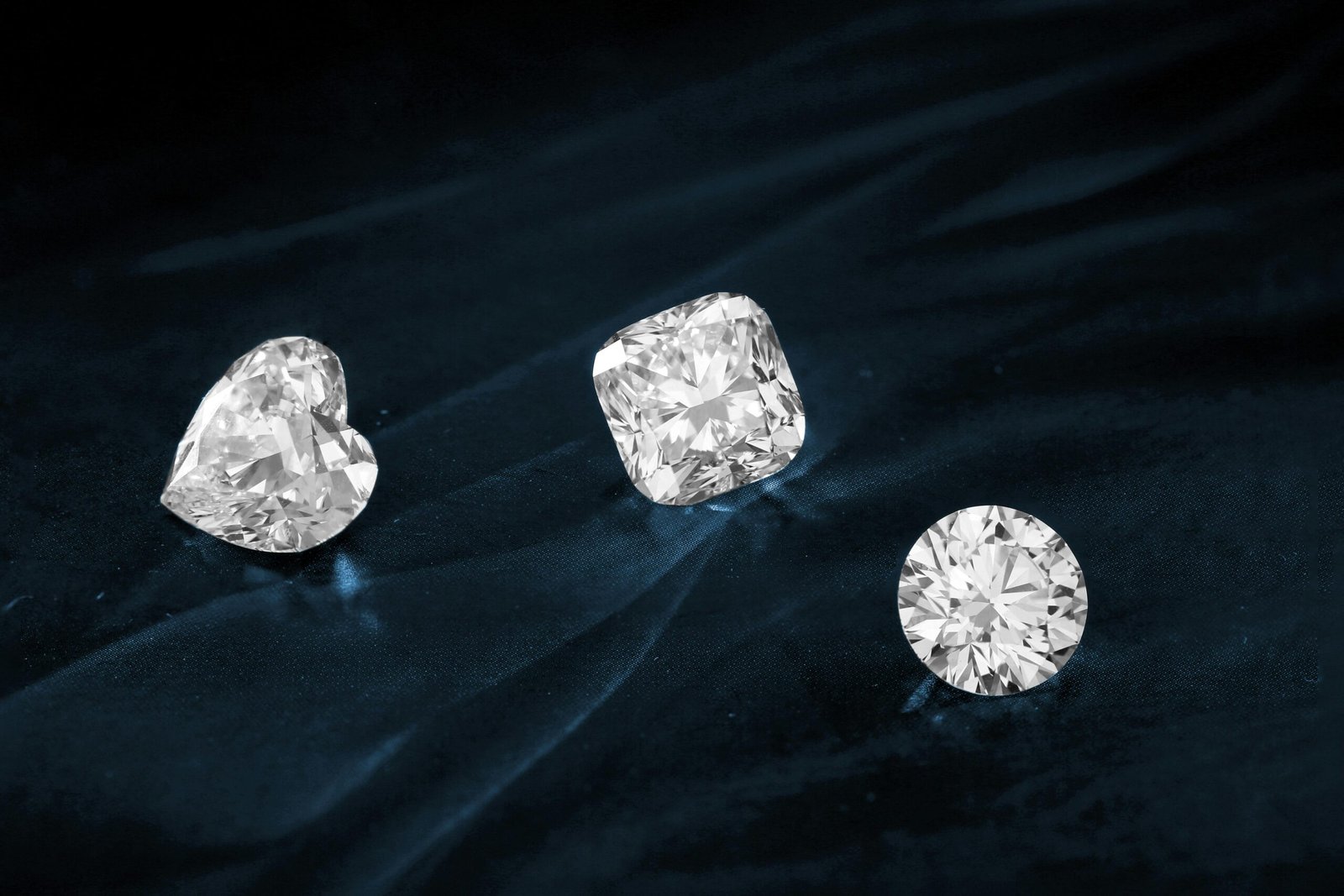
Diamonds have long been symbols of love, celebration, and permanence. As technology advances and consumer awareness grows, lab-grown diamonds have emerged as an important part of the modern jewellery landscape. Understanding what they are and how they compare to traditional diamonds helps buyers make informed, confident decisions.
What Are Lab-Grown Diamonds?
Lab-grown diamonds are real diamonds created in controlled laboratory environments. They have the same chemical composition, crystal structure, and physical properties as diamonds formed naturally beneath the earth’s surface.
Using advanced technological processes, scientists recreate the conditions under which diamonds form in nature. The result is a genuine diamond that is indistinguishable from a mined diamond in appearance, durability, and brilliance. The difference lies only in how and where the diamond is formed.
How Lab-Grown Diamonds Are Created
There are two primary methods used to create lab-grown diamonds:
High Pressure High Temperature (HPHT)
This method mimics the intense heat and pressure found deep within the earth. Carbon is subjected to these conditions, allowing a diamond crystal to form gradually.
Chemical Vapour Deposition (CVD)
In this process, carbon-rich gas is broken down in a controlled chamber. Carbon atoms then bond layer by layer, forming a diamond crystal over time.
Both methods produce diamonds that meet the same standards of quality and performance as naturally formed diamonds.
Are Lab-Grown Diamonds Real Diamonds?
Yes. Lab-grown diamonds are not imitations or simulants. They are not cubic zirconia or moissanite. They are real diamonds, sharing the same hardness, brilliance, and longevity as mined diamonds.
They are graded using the same internationally recognised standards—the 4Cs:
- Cut
- Colour
- Clarity
- Carat
Independent gemological laboratories evaluate lab-grown diamonds in the same way as mined diamonds.
Quality and Appearance
To the naked eye—and even under magnification—lab-grown diamonds appear identical to mined diamonds. Their sparkle, fire, and brilliance depend on cut quality rather than origin.
Because they are created in controlled environments, lab-grown diamonds often exhibit excellent clarity and consistency. This allows for precise craftsmanship and predictable quality outcomes in fine jewellery.
Environmental and Ethical Considerations
One of the key reasons lab-grown diamonds have gained attention is their association with more controlled sourcing practices. Their creation does not require traditional mining, which can reduce land disruption and resource extraction.
For buyers who value transparency and responsibility alongside beauty, lab-grown diamonds offer an option aligned with modern priorities.
Lab-Grown Diamonds in Fine Jewellery
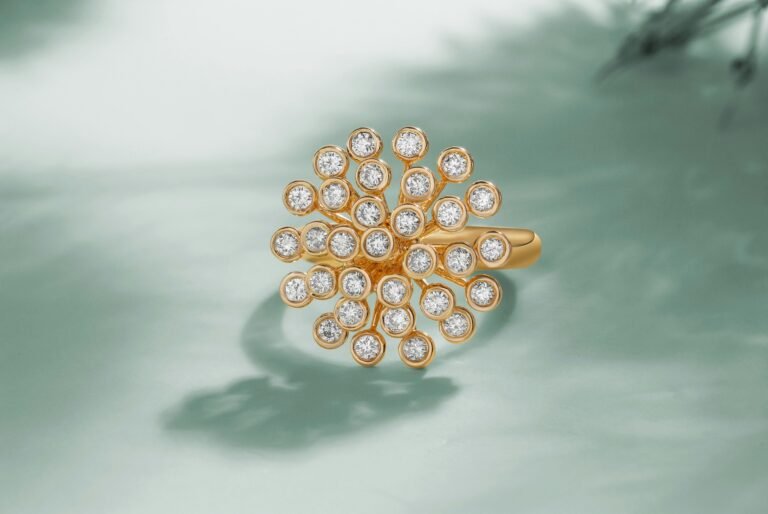
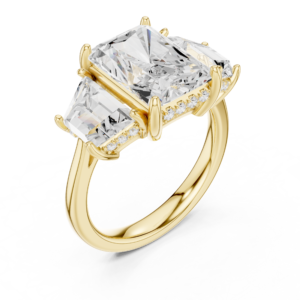
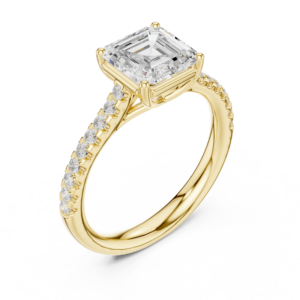
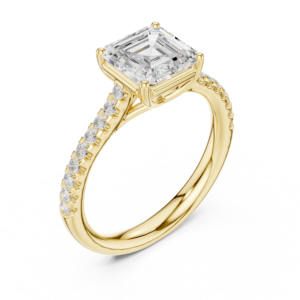
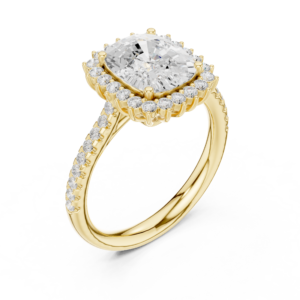
Lab-grown diamonds are used across a wide range of jewellery designs—from classic solitaires to contemporary statement pieces. Their versatility makes them suitable for everyday wear as well as significant life moments such as engagements and anniversaries.
Designers are able to focus on creativity and precision, pairing timeless aesthetics with modern innovation.
Making an Informed Choice
Choosing a diamond is a personal decision shaped by values, preferences, and lifestyle. Lab-grown diamonds provide the opportunity to enjoy the beauty and permanence of a diamond while embracing advancements in technology and craftsmanship.
Understanding the facts ensures that the choice is made with clarity and confidence—rooted in knowledge rather than misconception.

Repudiandae voluptas omnis voluptatem velit quas aut quia
Error voluptatum quam dolore harum. Qui aliquid perferendis aut recusandae iusto. Exeid fuga aspernatur est dolores. Reprehenderit dolor non tenetur aut. Et facilis alias nihil nostrum et Exercitationem perspiciatis qui sit Consequatur vel ut placeat esse aut.
Velit ut voluptas magni autem in cum quidem. Fugit cupiditate velit ad. Sed vel autem itaque libero
Voluptas voluptatem soluta laboriosam dolorem explicabo ut ad molestiae. Esse eum sapiente veniam